
 |
By: Dr. Kimberly Huynh D.C. |
|
November 27, 2025 · 5 min |
With chronic pain, it is normal to experience periods when your symptoms become more sensitive or intense. These flare-ups can occur for various reasons, including increased stress, changes in activity levels, poor sleep, or even weather changes. While they can be frustrating, understanding what triggers your pain and learning strategies to manage these episodes can make a significant difference in maintaining your comfort, mobility, and overall quality of life.

Recording your pain, whether it’s in a journal, on your phone, or just by noting patterns, can help you better
understand your flare-ups.
- Track your flare-ups to understand your pain patterns better. Include:
- How often do flare-ups occur
- How long does each flare-up last
- How severe the pain is
- Symptoms and signs experienced
- Activities or situations at the time of the flare-up
- Potential triggers
- Strategies used to get relief
- Medications taken, if any
Free Download and Print of Pain Log Template HERE.
Minimize flare-ups by incorporating these pain prevention tips into your daily routine:
- Plan and pace your daily activities to avoid overexertion
- Be consistent with exercises and physical activity
- Manage stress and anxiety through self-care and relaxation techniques
- Aim for 7–9 hours of sleep each night
- Eat a balanced, anti-inflammatory diet
- Drink enough fluids throughout the day
- Take regular breaks during activities or work
- Maintain a proper ergonomic workstation setup
- Wear loose, comfortable clothing
- Keep supportive tools, such as heat pads, ice packs, braces, or splints, readily available
- Gradually strengthen your body after a flare-up
- Pack extra medication if needed
- Rest when needed, but avoid excessive rest.
- Maintain a positive outlook
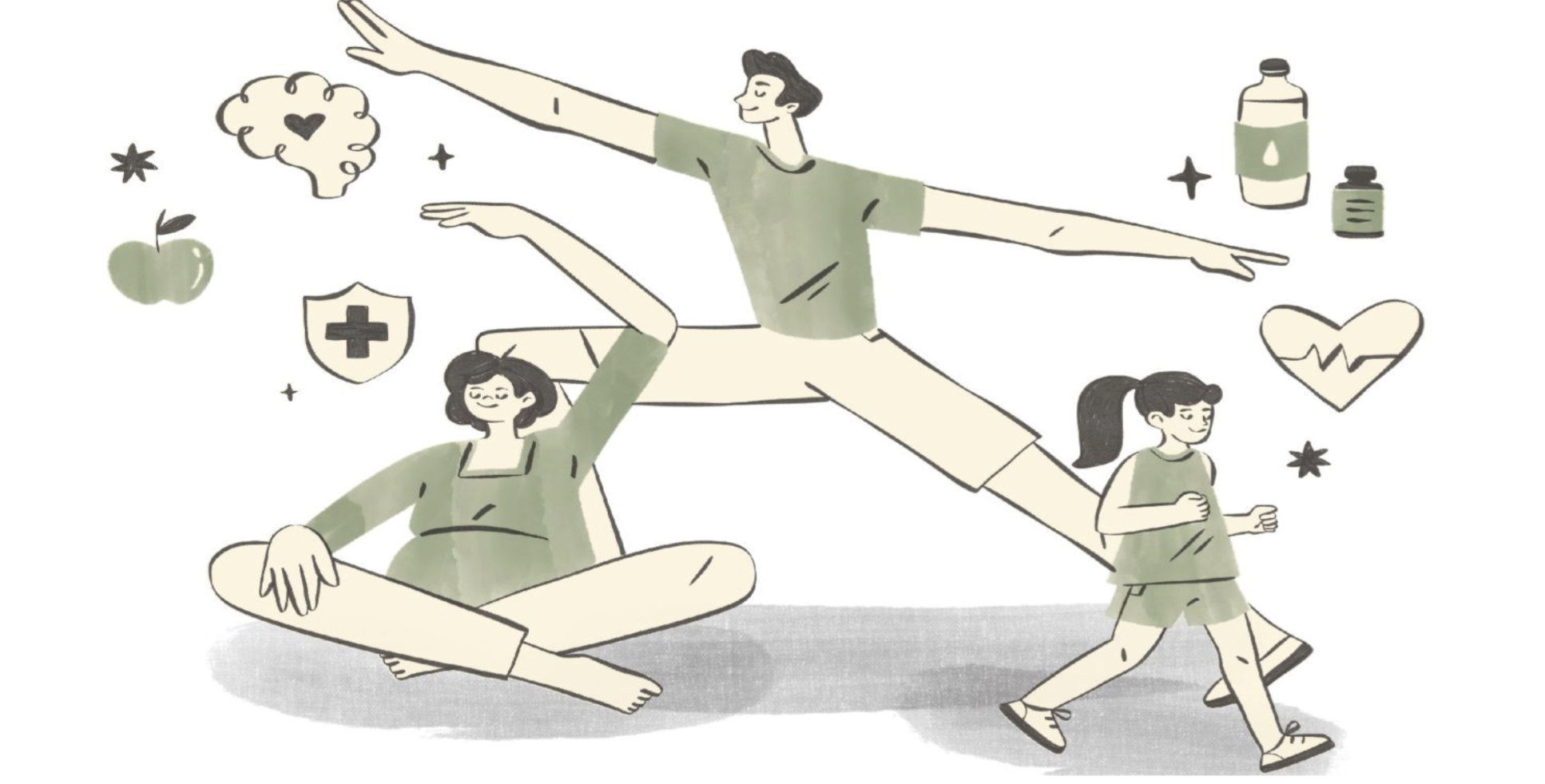
Flare-ups are a normal part of living with chronic pain, but they do not have to take over your life. After a flare-up passes, take the time to review your pain plan and adjust any aspects that didn’t work. By tracking your pain, pacing your activities, using supportive tools, and working closely with your healthcare team, you can stay one step ahead and reduce the impact of these episodes. Remember to review and adjust your pain plan as needed, because what works for one flare-up might need tweaking for the next. Small, proactive steps add up, helping you stay more comfortable, mobile, and in control of your health.
At Paradise Chiropractic Health & Wellness Clinic, informed consent, patient education, and safe chiropractic treatment are always prioritized. Our team is here to support you at every stage of your recovery.
Give us a call at (604) 496-0626,
email at info@paradisechiropractic.ca,
or book online at https://paradisechiropractic.janeapp.com
